
Hampshire has a lot of funky vocabulary that is crystal clear to Hampshire folk but can be a little confusing to an outsider, this page is to help you figure out what the heck we are saying in our letters!
Division
(also know as Div)
Divisional status, or Div is the academic level that a student is currently in. While typical schools would use labels like freshman sophomore, junior and senior, Hampshire uses labels such as Div 1 Div 2 year 1, Div 2 year 2, and Div 3 to categorize educational level of students
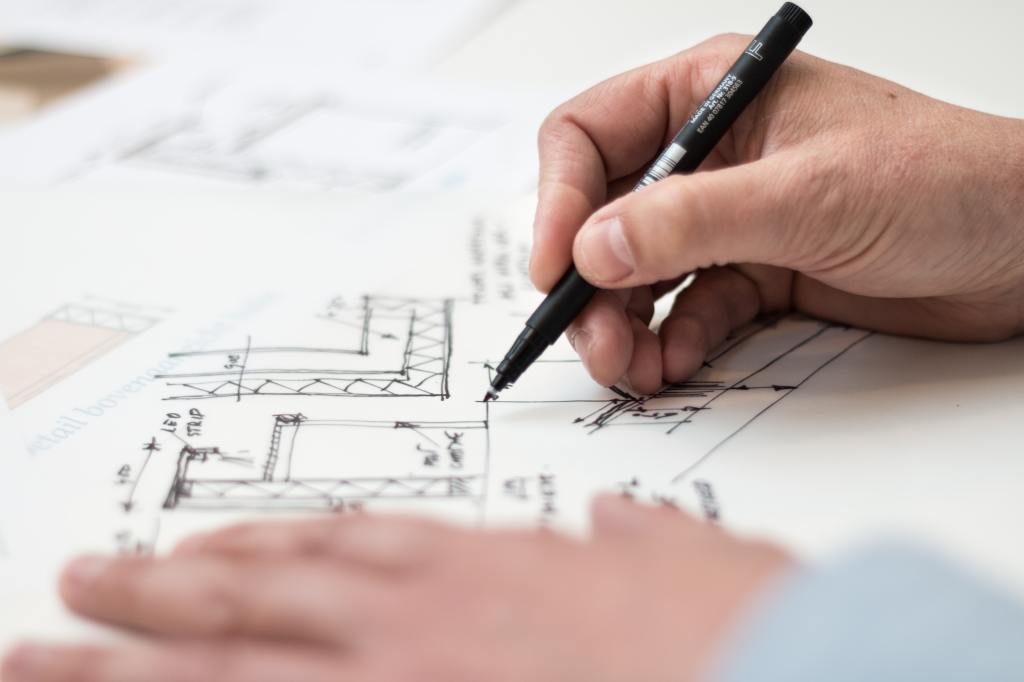
Division II year 1&2
Build
Division II spans across a students sophomore and junior or 2nd and 3rd year. These two years are dedicated to building a students “major”. Unlike other schools Hampshire college does not have designated majors students can sign up too. Instead Hampshire runs on a self- designed major model. This model encourages and allows students to intersect academic interest and schools of thought.

Division I
Explore
Division I is a student. freshman, or first year. A student’s first year at Hampshire is known as the exploratory year. Although Hampshire does not have general ed classes that need to be completed students are encouraged to take classes across the different disciplinary schools.

Division III
Create
Division III is the last and final year at Hampshire. During this year students take all that they have learned and explored during their years at college and execute a year long project. The project can take on any form that the student can imagine. scientific studies in the lab, Ethnographic investigations outside the Hampshire community, Teaching artistic classes to children, creating animated masterpieces, direct a film, choreograph a dance, build an archive, What is created is final year is completely up to the student.
The Five Colleges Consortium
The Five College Consortium ( also known as the Five Colleges) is a collaborative effort to provide as much academic support and resources to students attending colleges in the Pioneer valley. If you are a student at any of the participating schools you are allowed take classes at any of the other schools. Along with Hampshire college, there are four other colleges that take part in the consortium.

Hampshire College
Hampshire College is the youngest in the fiver college consortium. Founded in 1965, this school is very different from the other schools, with no grades and no majors, student create their own self-designed curriculm to direct their learning on the path of their passions

University of Massachusetts Amherst
The university of Massachusetts Amherst, also know as Umass Amherst and Zoomass is the only University in the five college consortium. With a round 30,000 students, Umass houses more students than all the other 4 colleges combined.
Fun Fact: The curators older sister graduated from this university

Mount Holyoke College
Mount Holyoke College is one of the two liberal arts women’s college in the consortium. South Hadley, Massachusetts. It is the oldest member of the historic Seven Sisters colleges, a group of elite women’s colleges in the Northeastern United States.

Amherst College
Amherst College is a private liberal arts college in Founded in 1821 Amherst is the third oldest institution of higher education in Massachusetts

Smith College
Smith College is one of the two libral arts women’s college in the consortium. Located Northampton, Massachusetts. It was chartered in 1871 by Sophia Smith and opened in 1875. It is the largest member of the historic Seven Sisters colleges, a group of elite women’s colleges in the Northeastern United States.
Living spaces
Though we are a smaller school, Hampshire has a couple different options for living, and the students use the spaces to the fullest, with the majoriy students choosing live on campus. Here are the place they can live.
Merrill
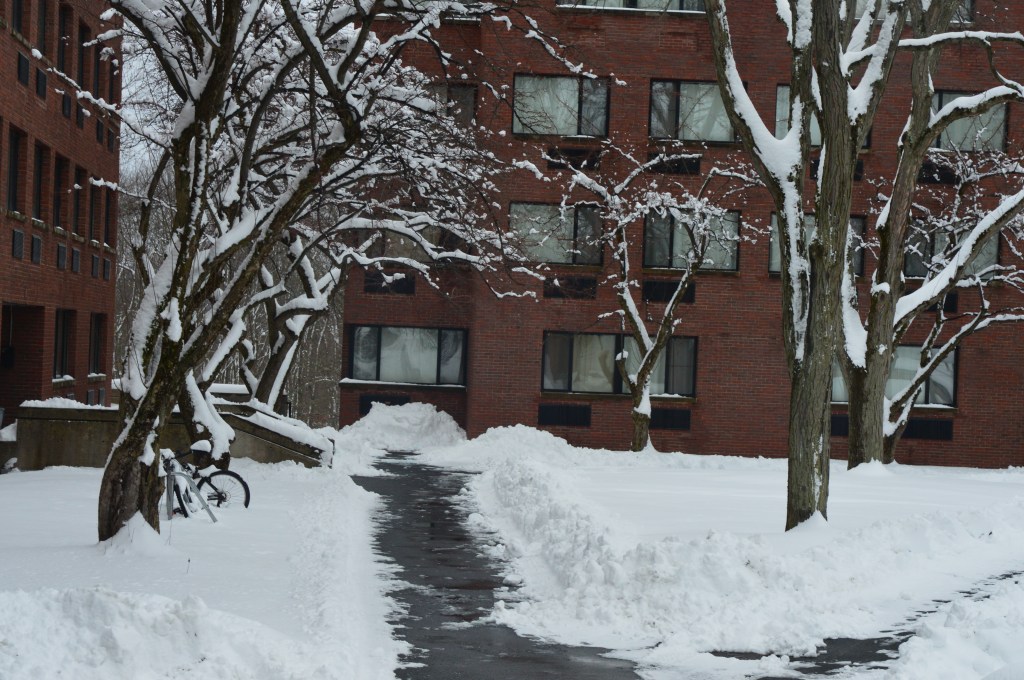
Merrill House is the second of Hampshire College’s two traditional-style residence halls. Merrill is open to all students who choose to live there. Like Dakin all the halls are co-ed and connect from the basement however do not have bathrooms that connect the halls

Dakin
Dakin House is one of Hampshire’s two traditional-style residence halls. Dakin is typically designated to div Is and transfer students . The majority of the rooms are singles with a couple doubles here and there. To travel to the different halls in Dakin students can ether travel through the basement or through bathrooms that connect each hall
Mods
mods, which is derived from the word module, are Hampshire’s on campus apartments. There are three different mod settings that students can pick from
Enfield
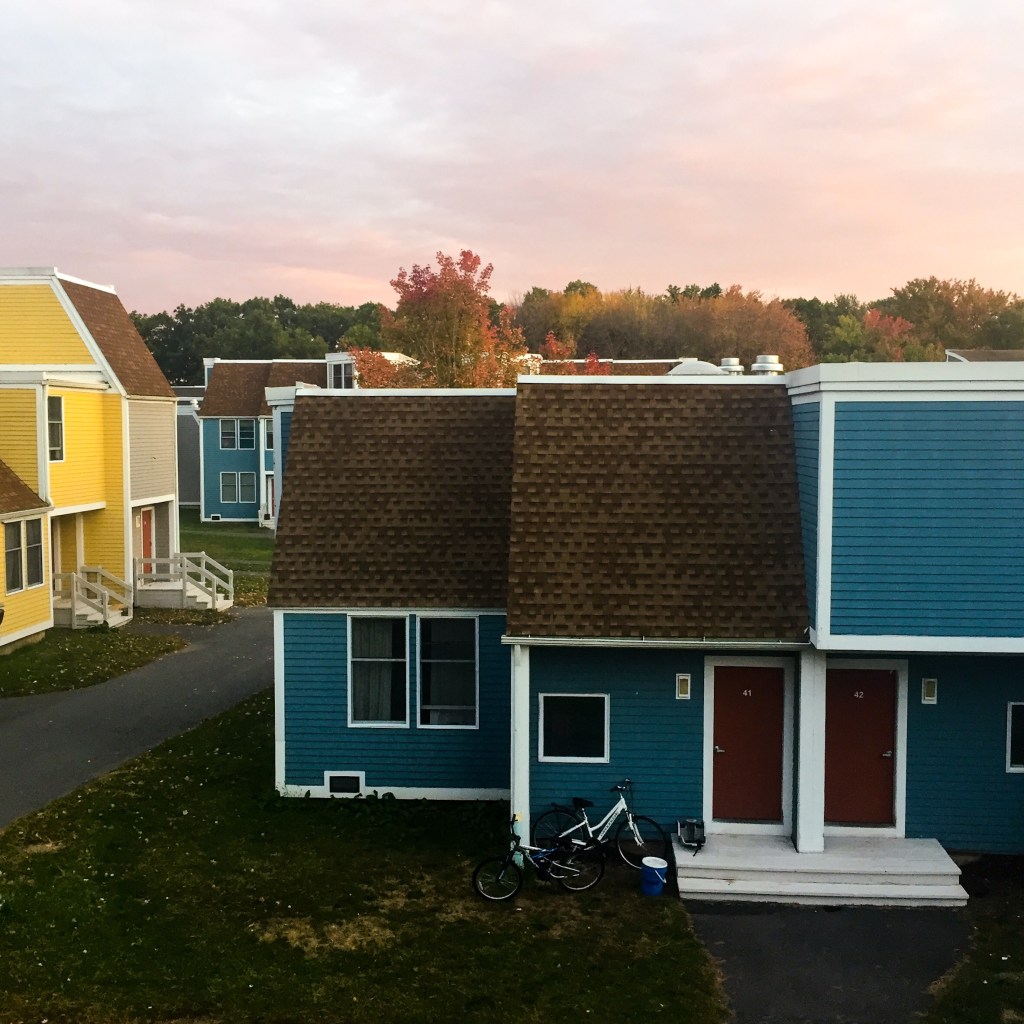
Enfield is the third mod living space that students can live in. Enfield resemble a subornian neighborhood. With it’s own basketball court and fire pit, Enfield is probably one of the most sought after living space at Hampshire. These mods house 6 to 8 people
Places To Eat
Even a starving artists have to eat!

The Bridge
Located in the RCC above the basketball court, The Bridge serves as a popular meal spot on campus. Along with serving up burritos, sushi, salad, sandwich, ice cream and other delicious grab and go snacks, the bridge also has a number of games like ping pong, pool , and foosball tables*
*(not open during covid)

Greenwich
Greenwich, also known as the green donuts is one of the three on campus mods that students can live in. These 5 octagon shaped buildings are famous for their triangular shaped rooms and common centers. located next to the farm these mods are said to have more of a country atmosphere These mods can house up too 4 to 5 people
Prescott
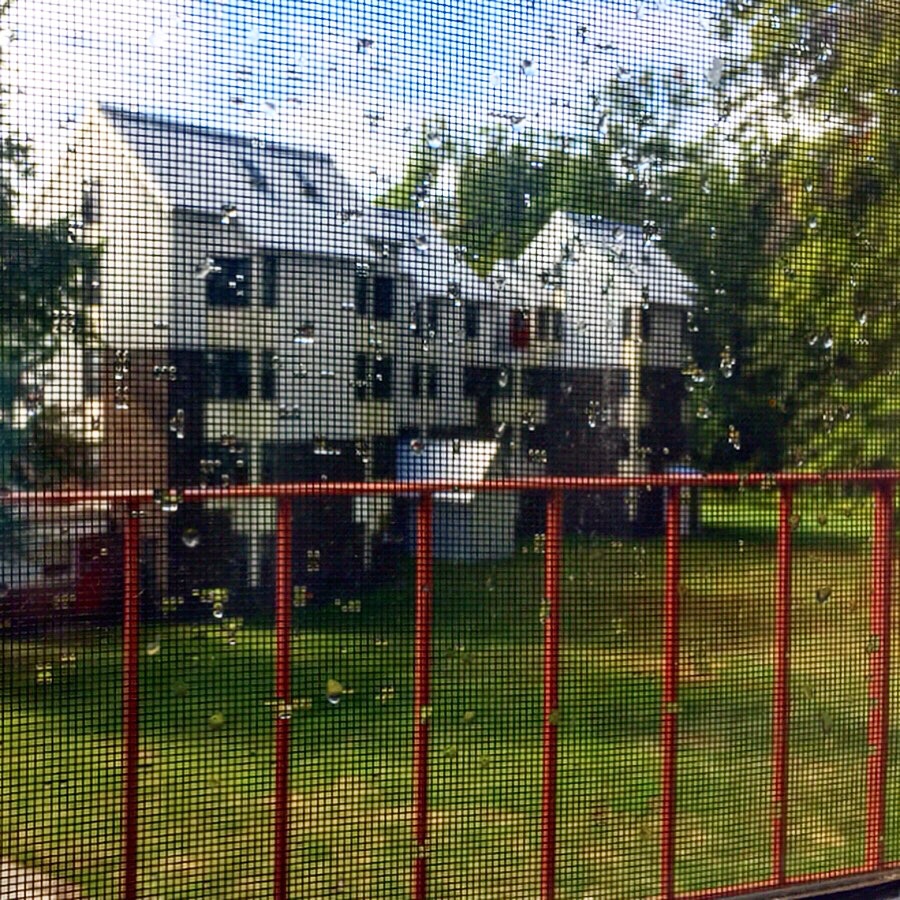
Prescott is another mod that students can live in. These mods take design inspiration from city landscape. Built from industrial materials and fashioned with fire escapes. These mods can house 4 to 10 students. whats really cool about these mods is that some of the rooms have lofts in them

The Kern
This one of the newest buildings on campus. The kern is the 17th certified Living Building in the world meaning it takes in more of a carbon footprint than it produces. Other then being a green dream, the kern is home to the schools coffee shop, class rooms and admissions
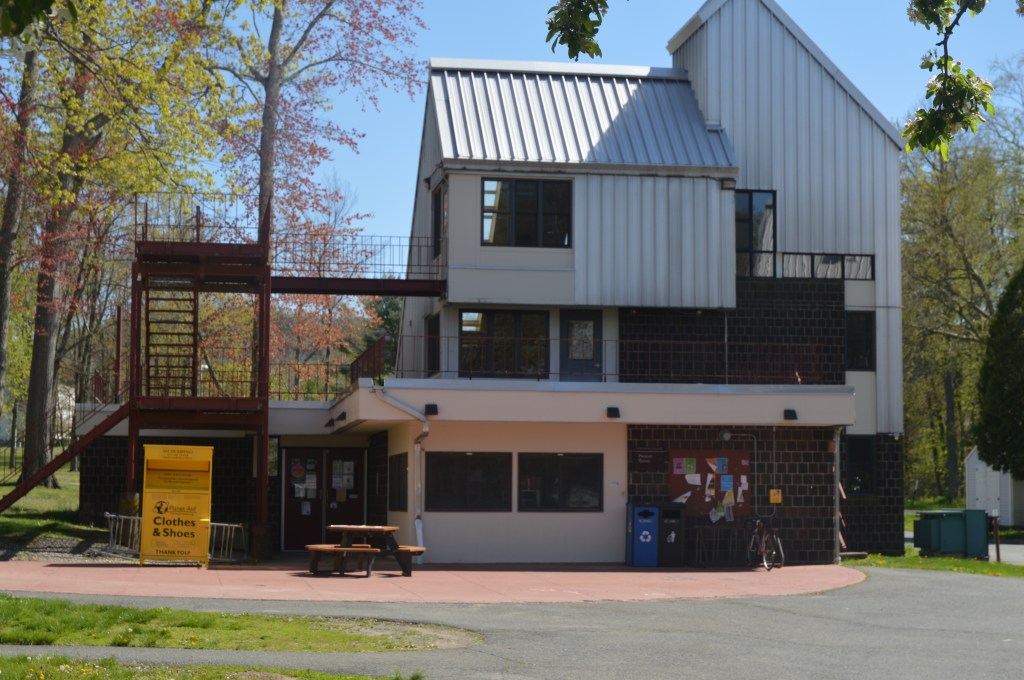
Prescott Tavern
This space has had a lot of purposes from an actual tavern back in the day, to a student center, to present day as a convince store/ version of the bridge

Saga
Although the food company that gave this place it’s name has been long gone for a while, students still refer to the Dining commons as Saga.
The Great Outdoors
Take a walk!

Hampshire Woods
Surronding the entire campus is lovely woods. Spanning 200 acres, Hampshire woods has served as a place for commuity gatherings, art installations, class sessions, and for people to connect with nature.

Hampshire College Farm
Cows, pigs, sheeps, chickens, a pick your own garden of veggies and flowers, theres so much to do and see on the farm!
Academic buildings
This is a school after all!
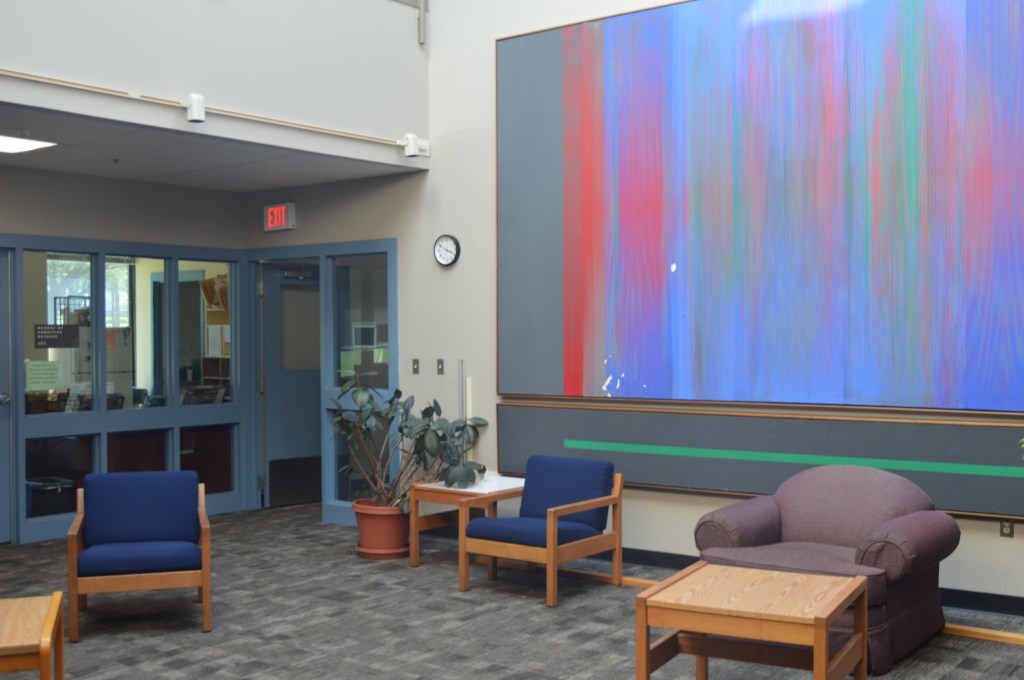
ASH
Adele Simmons Hall or ASH is home to computer labs and cognitive science classes and resources

Art Barn
not actually a barn but defiantly a work of art! The art barn is where students can experiment and combine different art mediums.
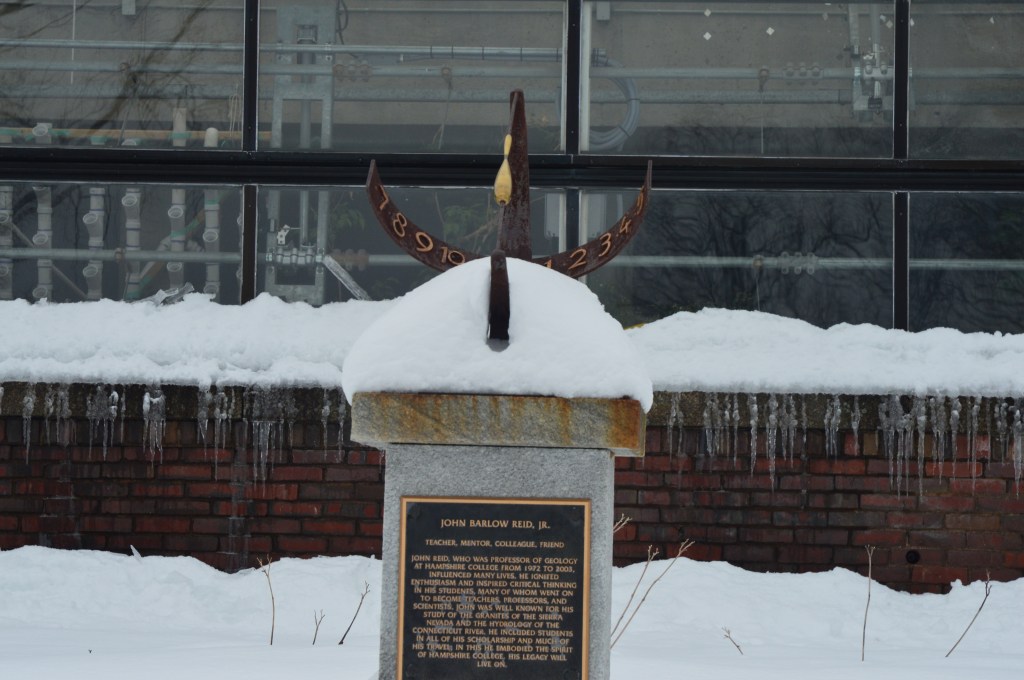
CSC
The Cole Science Center or CSC is where all the science classes happen! the building is designed to allow sciences to intersect and work together. This helps creates a more collaborative space and allows more socializing amoung students.
Schools of thought
Instead of traditional, single-discipline departments, Hampshire’s curriculum is organized into five interdisciplinary schools. This model gives students the ability to combine academic lens and explore questions and issues from multiple perspectives. (defintions and links for this section taken from the Hampshire College Website)

School of Cognitive Science (CS)
The School of Cognitive Science (CS) engages students with interests ranging from psychology, philosophy, and neuroscience to animal behavior, child development, computer science, digital multimedia, and linguistics.

School of Humanities, Arts, and Cultural Studies (HACU)
The School of Humanities, Arts, and Cultural Studies (HACU) engages students with interests ranging from philosophy, literature, film, video, photography, history, dance, painting, art history, cultural theory and history, critical theory, religious studies, studio arts, to ancient studies, music, American studies, media studies, environmental design, and architecture.

School of Natural Science (NS)
School of Natural Science (NS) students involve themselves in original scientific research. Areas of interest include environmental sciences, agricultural studies, health sciences, and more. Students can—and do—concentrate in almost every branch of science, from astronomy and bioengineering to marine ecology and genetics.

MDB
Music and Dance Building, or MBD, the name of this one saids it all. With 2 dance studios, a choir room, and a plytha of practice rooms students can work on their musical crafts

Writing center
located between greenwich and the farm this home like building host many writing classes and professors in a cozy atmosphere, with couches and a kitchenette
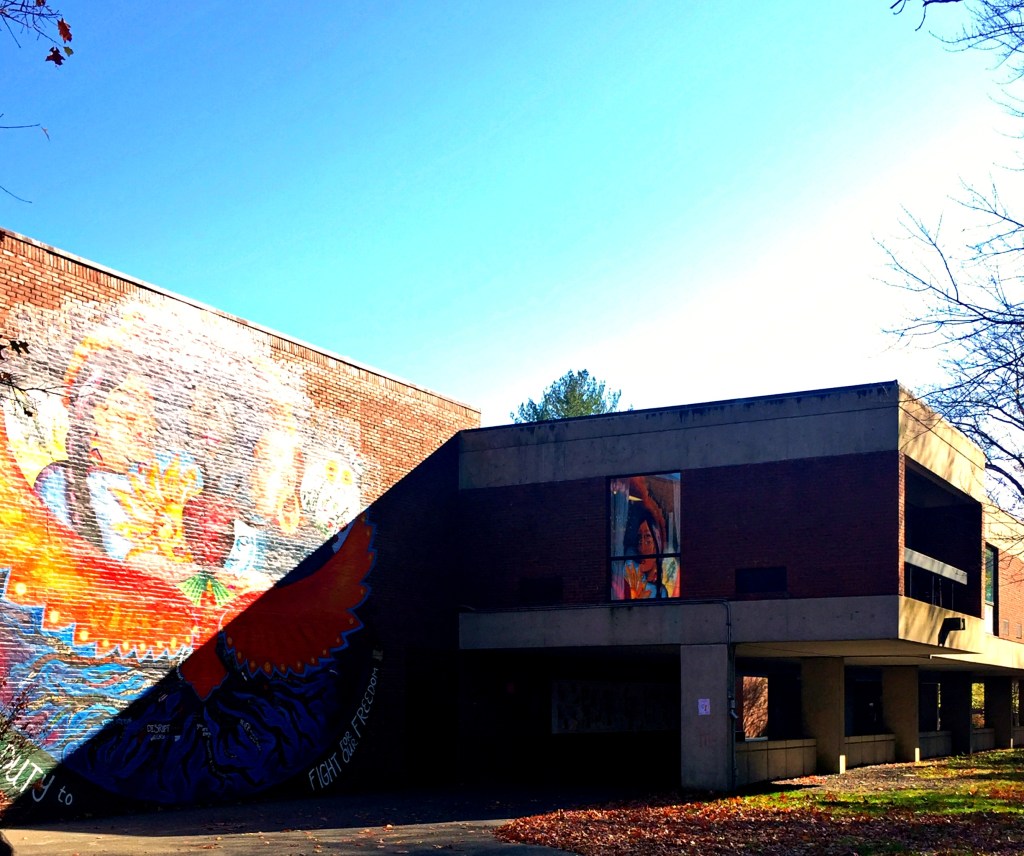
FPH
Franklin Patterson Building or FPH is an all purpose learning center. This building has been home to plytha of different classes and events. being the building on campus with the Franklin Patterson Building seminar style seating this buliding can hold many.
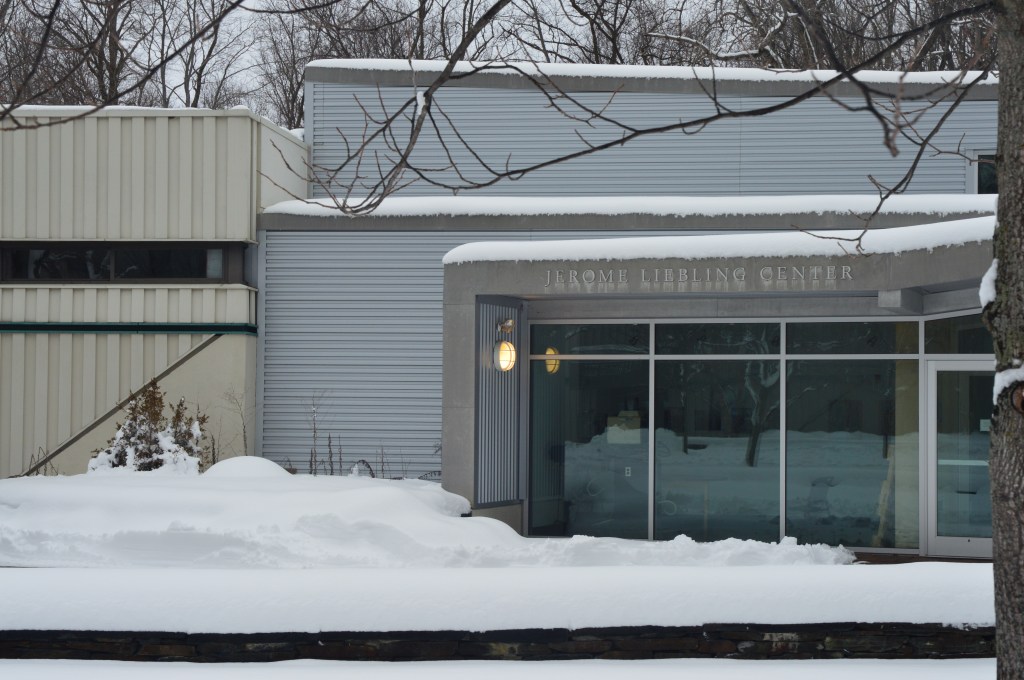
Liebling
Fully know as Jerome Libeling center, this building serves as the film and photo building. The building is equipped with screening rooms and photos studios so students can bring their visions to the big screen

EDH
Emily Dickson Hall or EDH is where theater and writing come alive. With 2 black box theaters, lighting systems, costume shop and a good chuck of classrooms to gather in.

School of Critical Social Inquiry (CSI)
The School of Critical Social Inquiry (CSI) includes students and faculty interested in a diverse array of fields such as Africana studies, anthropology, Asian studies, history, psychology, economics, sociology, politics, law, philosophy, and education, as well as many more. Students also engage with many College-wide programs such as Community Partnerships for Social Change (CPSC) and the Childhood, Youth, and Learning Program (CYL). What unites CSI is a common commitment to understanding the processes of social and cultural formations and their implications.

School for Interdisciplinary Arts (IA)
In the School for Interdisciplinary Arts (IA), students and professors work across boundaries of art forms such as theatre, sculpture, creative writing and literary arts, children’s theatre, creative drama, entrepreneurship, art and technology, arts education, and arts and social action.
Places to work out
Some schools have one gym, we have two!

Mulit-sports center
This is the second exercise gym area on campus. Unlike the RCC this one is equipped with an indoor track, tennis courts, and weight room
Student centers
For study, for hangout, for collaboration
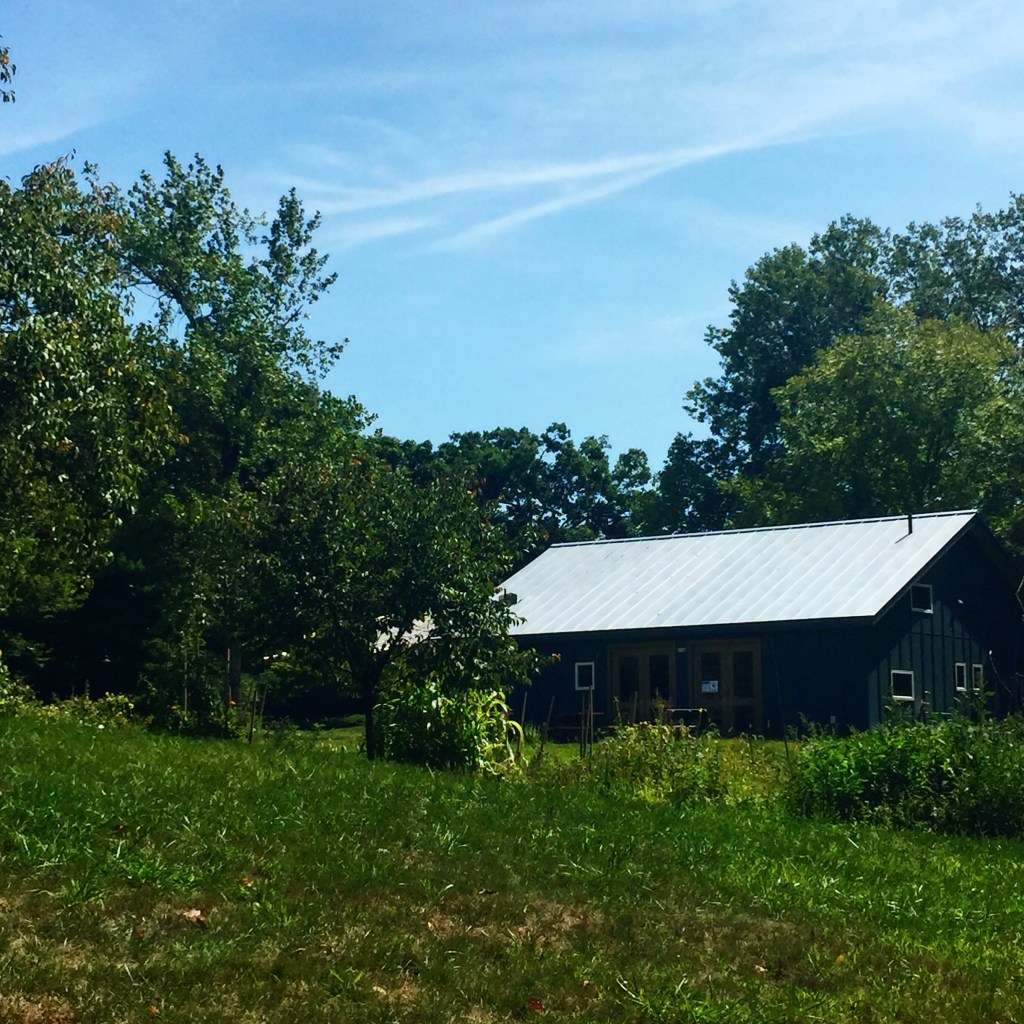
The Roos
The Roos Road House, An old horse barn that has been converted to a student space . Now home to a co-op known as mix nuts and during non-covid times is the site to many student run music, film, art, and film showings
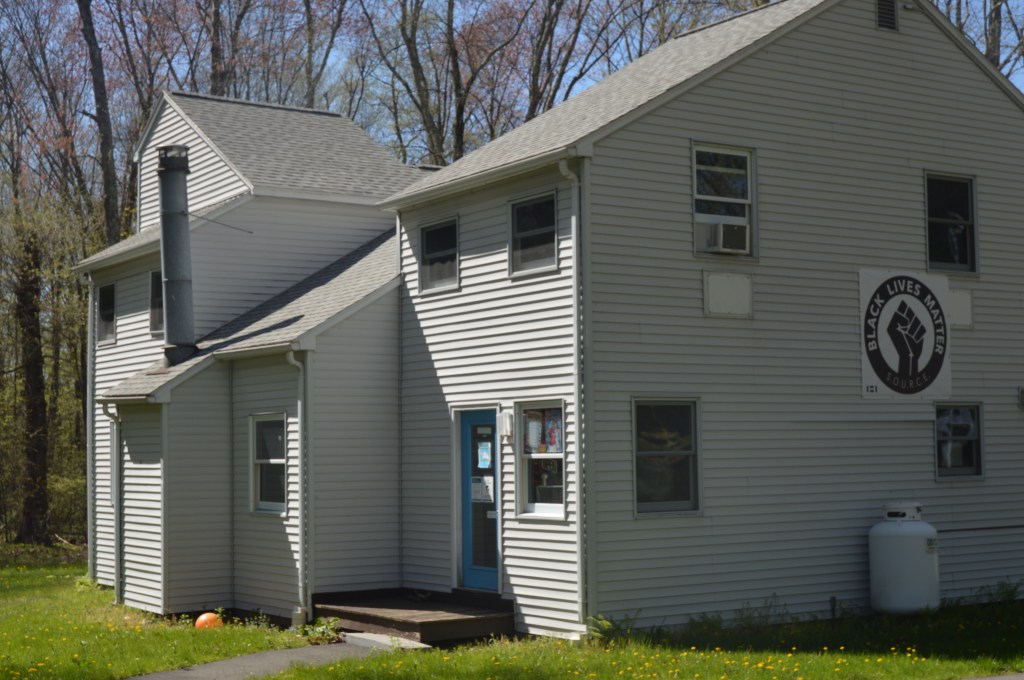
The CC
The Lebrón-Wiggins-Pran Cultural Center or the CC is a resource center for BIPOC (Black, Indigenous, people of color) students on campus and a home base for building community among BIPOC students, staff, faculty and alumni.
Sound makers
Music to Hampshire students ears

The Red Barn
The red barn is exactly what it sounds like, a giant red barn. However unlike a farm barn full of Animals and grain this barn is an event space.
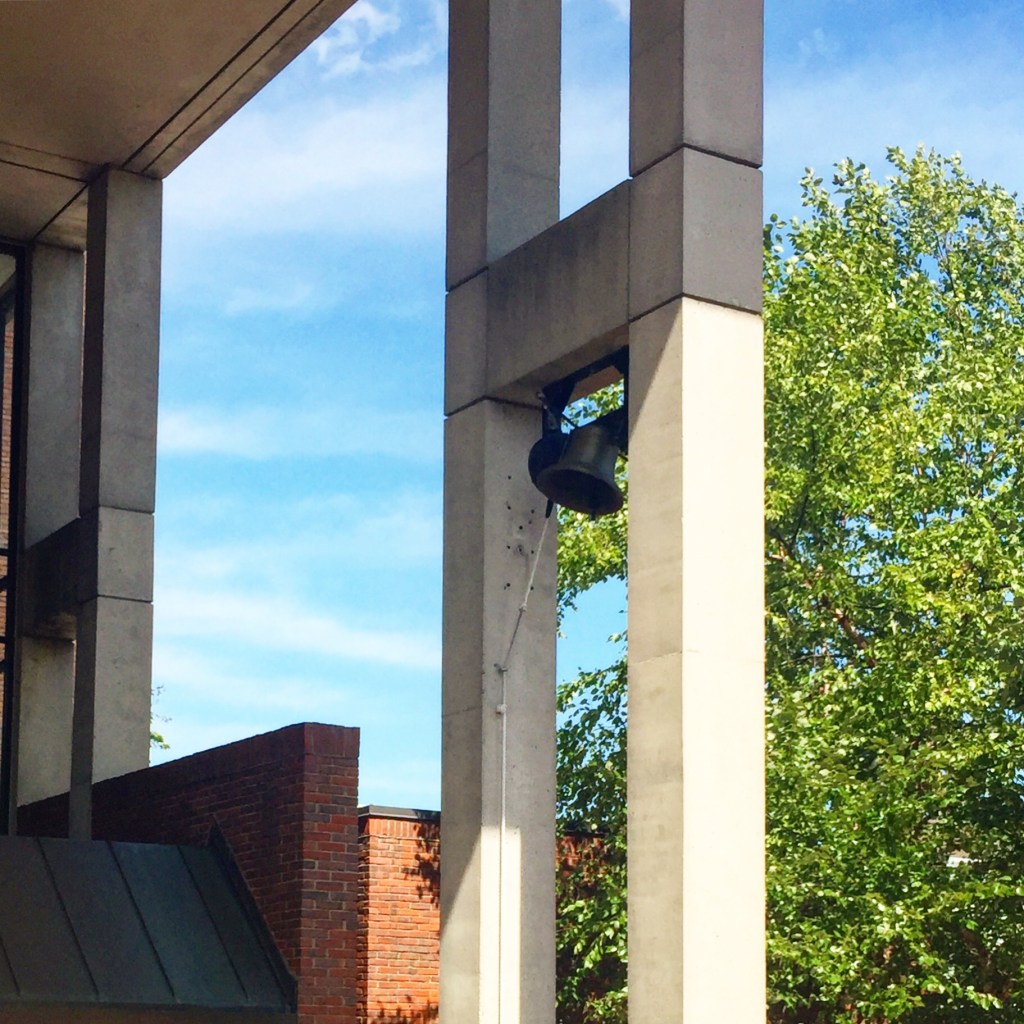
Div free bell
Located outside of the library. The div free bell is rung when a div III completes their div. Click on the title to learn more about the bells fascinating story.

RCC
The Robert Crown Center, also known as the RCC, this building is home to the indoor basketball court, climbing wall, bouldering cave, and swimming pool.

APL
The airport lounge, also known as the APL is a study space connected to the bridge by well a bridge. The Apl serves as the perfect spot for both individual and group study, equipped with movable furniture to craft just enough space for your group or smaller study rooms for more privet meetings
Library
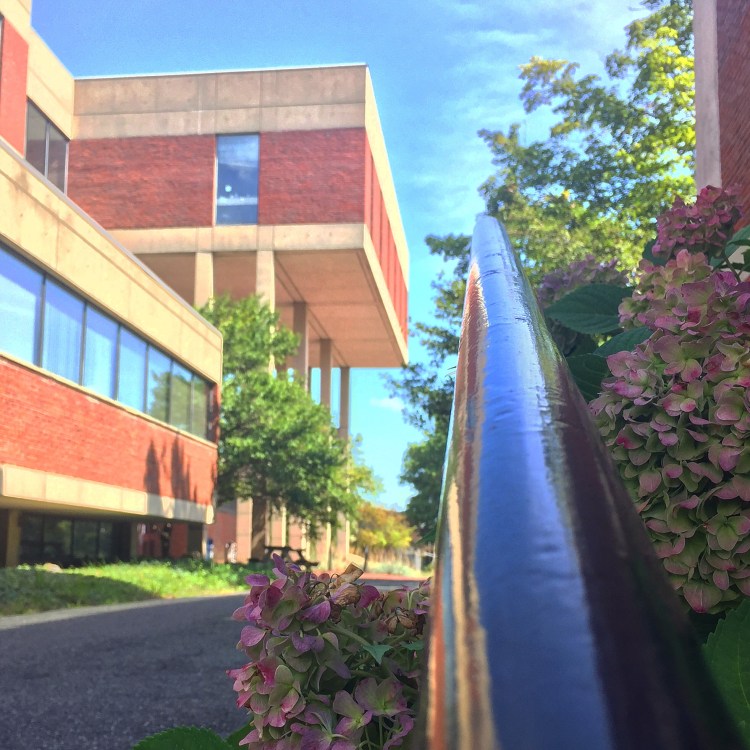
Fully known as the Harold F. Johnson Library Center, this building is not only home to 3 floors of books, but also to the APL, Mail room, student art gallery, and school store!
Studio G
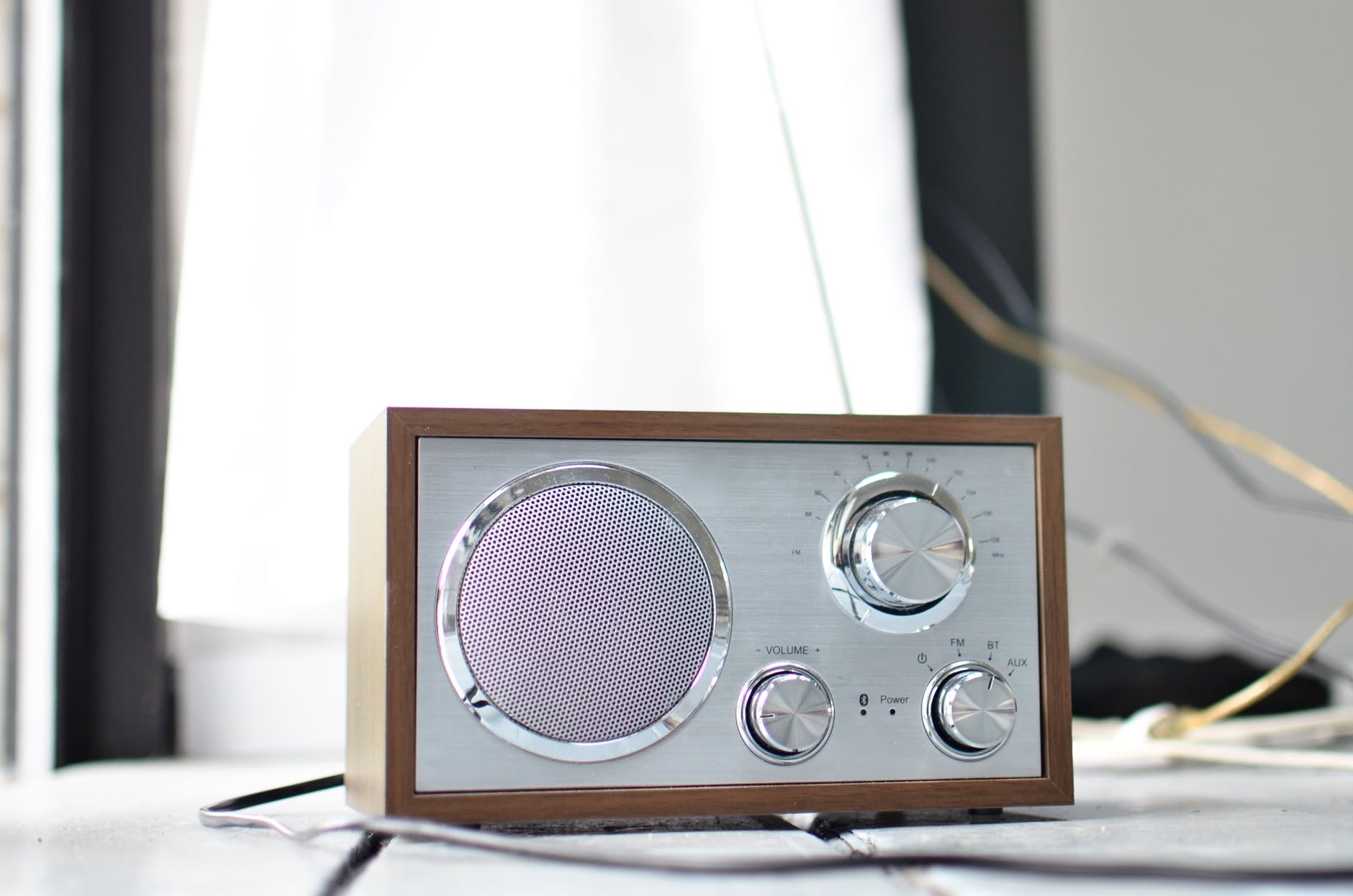
located under the Library, Studio G serves as an audio and video recording studio for students to create in.
Yurt
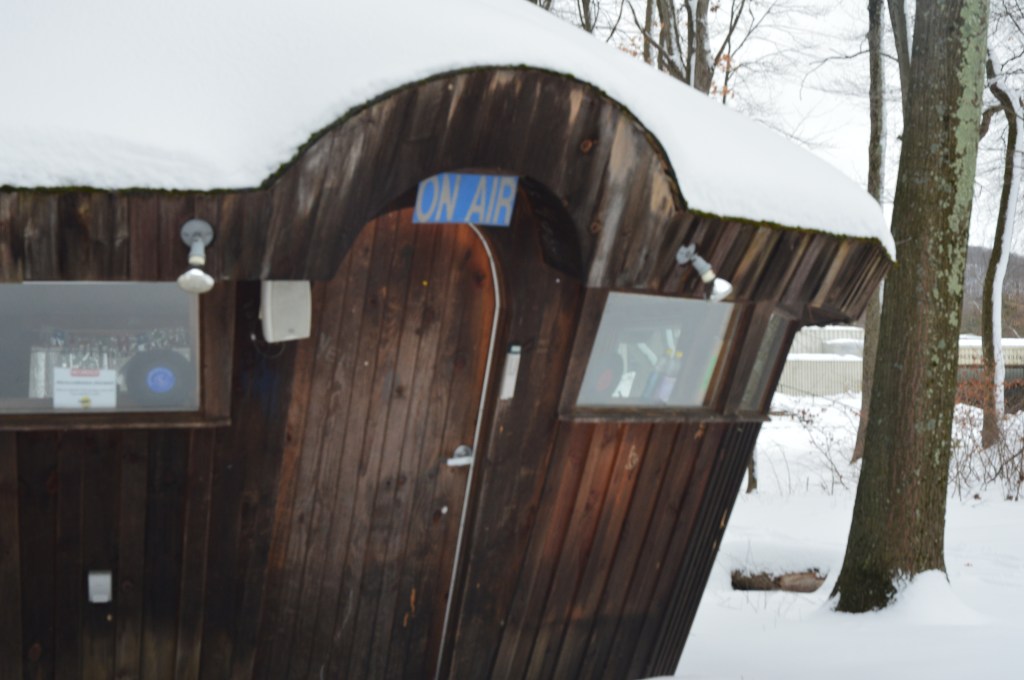
Built in 1998 as a div III project the yurt is home to the college ‘s radio station. All students are welcomed to learn the machics of the yurt and put on a show!
Other magnificent places
Eric Carle Museum
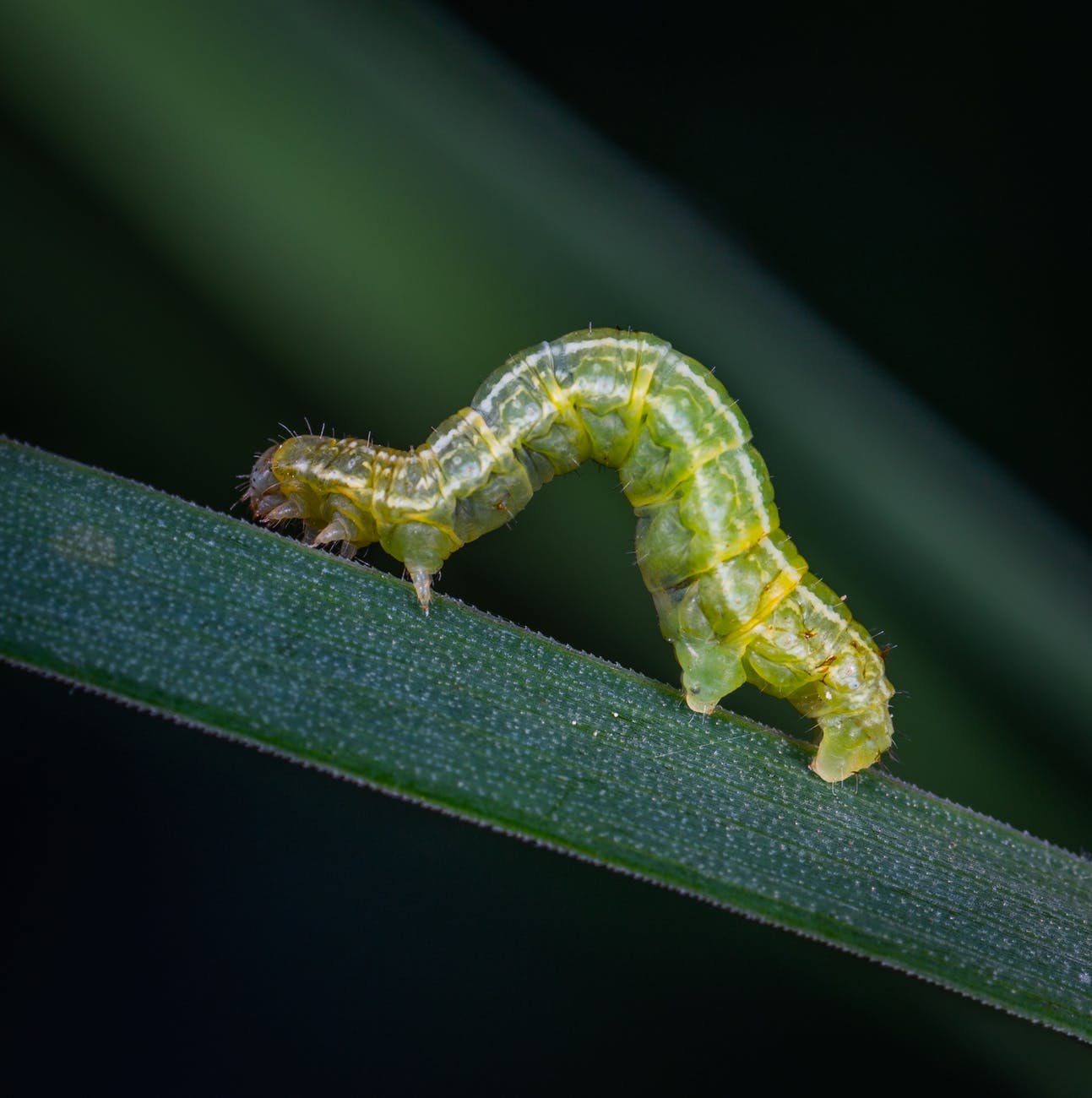
This museum that celebrates all the work of Eric Carle, sits on Hampshire’s campus

Early Learning Center
The Elc is the daycare on campus. Children of faculty and staff are able to attend here. Like Hampshire, the ELC also takes on a alternative learning style.
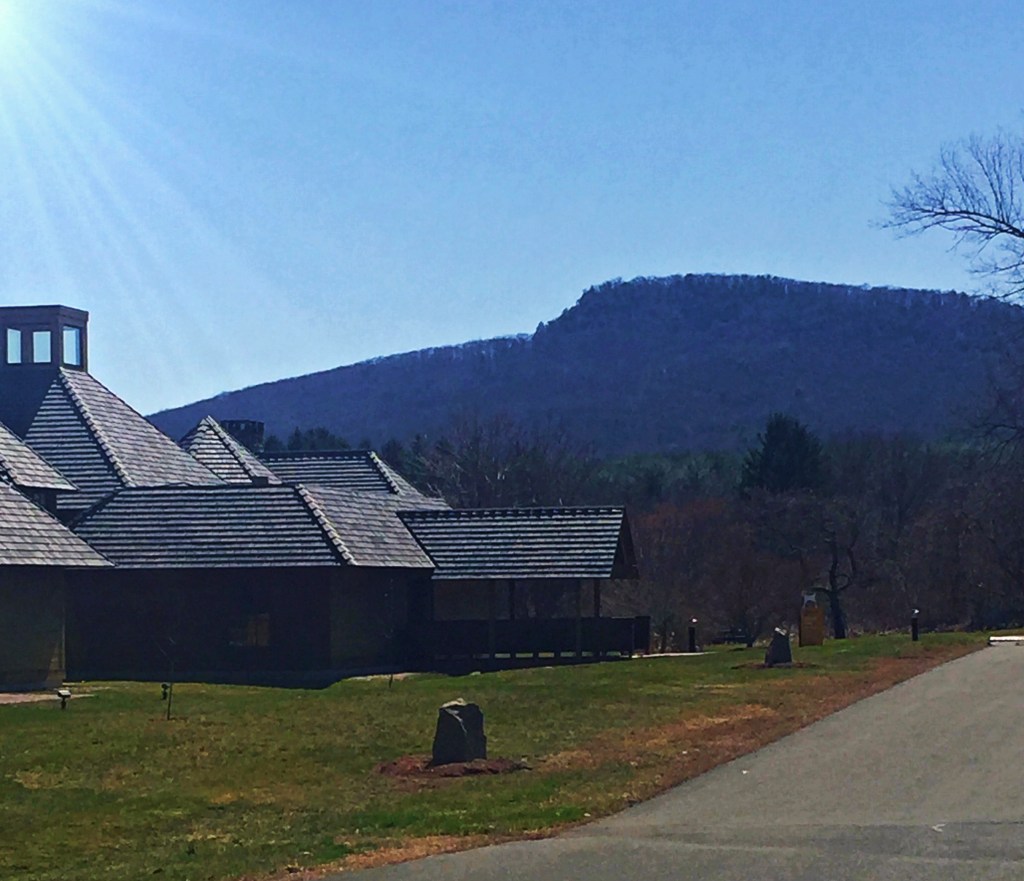
Yiddish book center
Another museum that sits on Hampshire’s campus, instead of children’s books, the yiddish book center is home to books written in the Yiddish language
 What We Remember